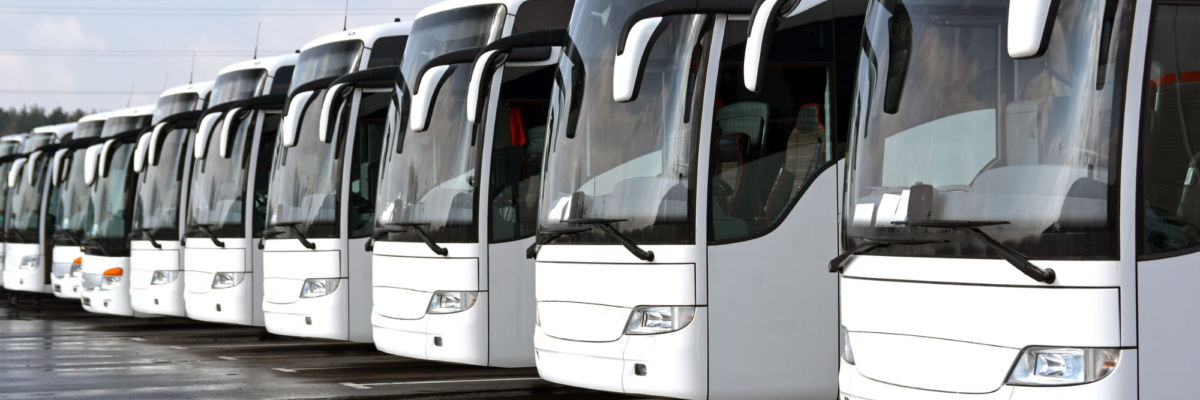
ACEA calls for urgent action to strengthen bus manufacturing in Europe
The European Automobile Manufacturers’ Association (ACEA) is calling for urgent action to strengthen Europe’s bus manufacturing industry, arguing that public procurement can play a greater role in supporting European industrial value creation, innovation and the transition to zero-emission mobility.
In its latest position on bus manufacturing, ACEA highlights the rapid transformation of the European bus market. New EU bus registrations increased by 22.7% in the first half of 2026, while battery-electric vehicles accounted for around 60% of newly registered city buses.
This transition is supported largely by public investment. Approximately 680,000 buses operate across the EU, with most providing services commissioned by public authorities through tenders or public service contracts. Public procurement is therefore a key driver of demand, particularly in the city bus segment.
However, ACEA warns that a growing share of this publicly funded demand is going to manufacturers based outside the EU, raising concerns about the future of Europe’s industrial capabilities and the value generated within the European economy.
The EU has an established bus manufacturing base, with production and assembly taking place at more than 38 plants across 12 Member States. These facilities support employment, research and development, technological innovation and related services.
ACEA argues that public procurement decisions should better reflect these wider economic and industrial benefits, rather than relying primarily on upfront purchase prices. Although EU procurement rules already allow authorities to consider criteria beyond price, the association believes these opportunities are not being fully used.
The coming two years will be particularly important, as procurement decisions made before 2030 could influence Europe’s manufacturing capacity, service revenues and technological capabilities for the following decade.
ACEA’s position paper calls for timely action to ensure that the transition to zero-emission buses also supports a competitive and innovative European manufacturing ecosystem.
Source: find the original article here