CCAM and the Transport System: Equity and Access for all
EUCAD 2025: driving into the future. We took the theme seriously and asked ourselves what the future should bring. To get some answers we asked members of a younger generation how they would like to see future mobility. In three universities, in Espoo (Finland), Delft (The Netherlands), and Leeds (UK) we held discussion sessions with transport students. We explained about CCAM, asked them what they saw as their ideal future mobility and discussed how CCAM could support these scenarios.
Three students were invited to come to the EUCAD event and participate in the session on CCAM as a means to achieve societal goals, together with CCAM experts Tereza Čížková and Marcel Sonntag. Isabel Wilmink started the session introducing the European Common Evaluation Methodology for CCAM (EU-CEM), which supports the assessment of societal impacts in CCAM projects.
Katja Dinnissen (Aalto University), Nicola Manservisi (Delft University of Technology) and Rosie Walker (University of Leeds) presented their views in the EUCAD session. This blog entry summarises their ideas.
Several societal issues and impact areas stood out in all three presentations. According to the students, first of all car dependency is a major issue, leading to unsustainable situations with regard to the environment and liveability of cities. So active travel and public transport have to become far more prominent. Although CCAM can play a role in making transport more sustainable, equity and accessibility have to be ensured.
The students remarked that currently different groups of people do not have equal access to transport. Rural and sub-urban locations are underserved by public transport, leading to the necessity of private car use. CCAM could improve access, also with on-demand services, making public transport more utilised and productive. This would have a positive effect on the redistribution of services and employment. A vision was presented on how CCAM could bring connections with high volume public transport, which could connect with other cities.
Equity in transport means that CCAM should not only become available for people with higher incomes. Improved mobility should have a positive effect on the quality of life for people with different needs. As was stated: Mobility should be a right, not a privilege.
The students did look beyond transport means, and also addressed land use. Less private cars and more shared and public transport could open up more space for greenery, walking and cycling, and meeting spaces, thus enhancing the liveability of cities. On the other hand, by making transport easier, CCAM may bring the risk of people wanting to live further away, stimulating urban sprawl.
It is important to consider what problem we want to solve with CCAM – is it a solution or a technology? Mobility is a tool, but not a neutral tool. CCAM will not solve all transport problems but could act as a complement to improving the whole transport system, toward more equity and access for all.
Finally, some practical ideas for future projects: look at the safety benefits of CCAM for rural versus urban areas, relate residential preferences to the time people are willing to spend in (automated) transport, and do research to get a better understanding of the different needs of different users, and to find out how to adapt and integrate services. The audience clearly appreciated the well-presented and outspoken views of the students, acknowledging that young people should be more involved in decisions that will affect people over the coming decades.


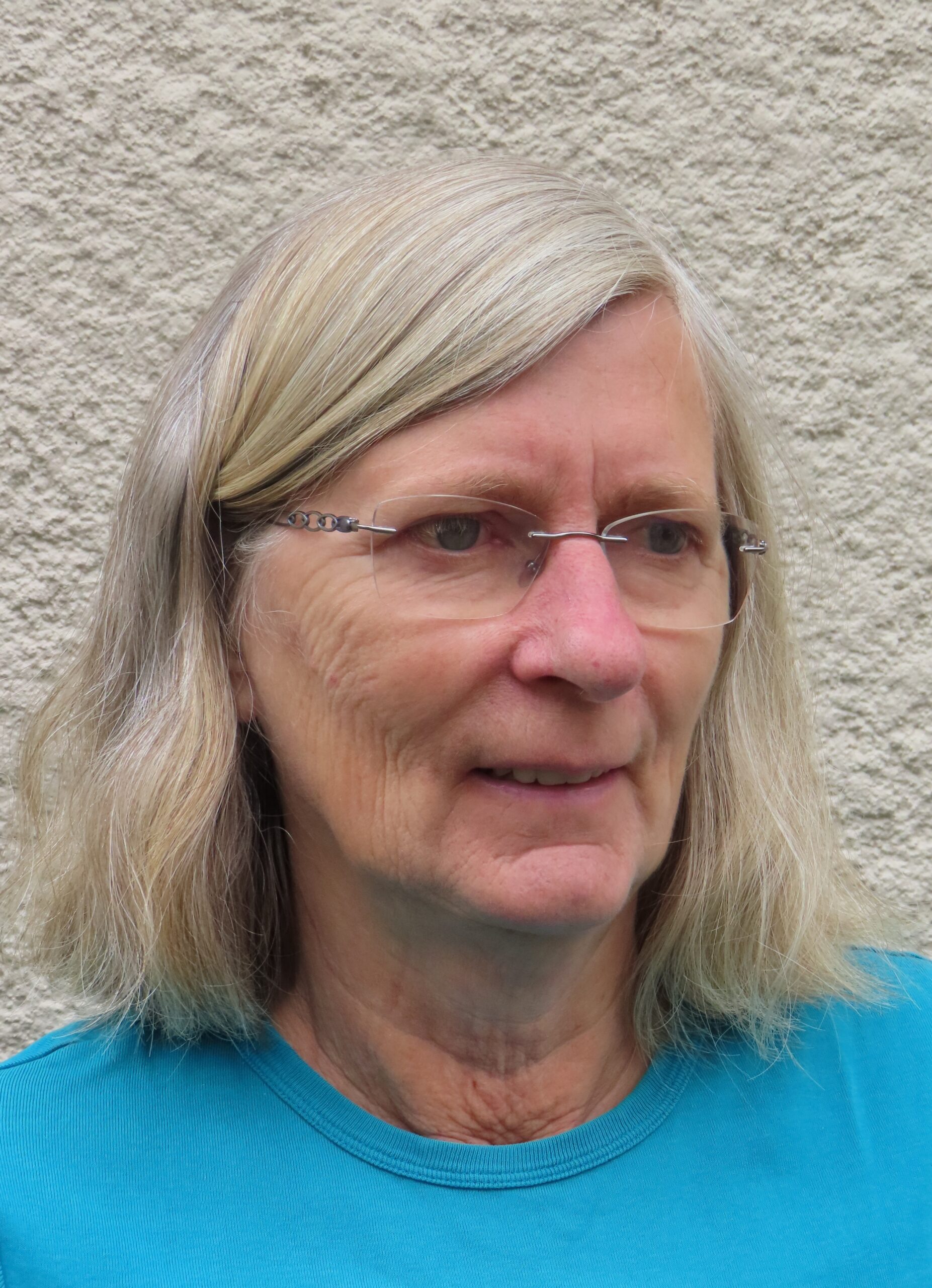
Written by Dr Yvonne Barnard. Dr Barnard is a lecturer at the Institute for Transport Studies of the University of Leeds, with over 35 years research experience on human behaviour and new technologies. She is part of the FAME project, involved in the development of the European Common Evaluation Methodology for CCAM (EU-CEM).